Basement planning guide
Basement Waterproofing Guide
Identify basement moisture sources, compare waterproofing approaches and avoid concealing water or mold problems behind new finishes.
Reviewed and updated September 2026
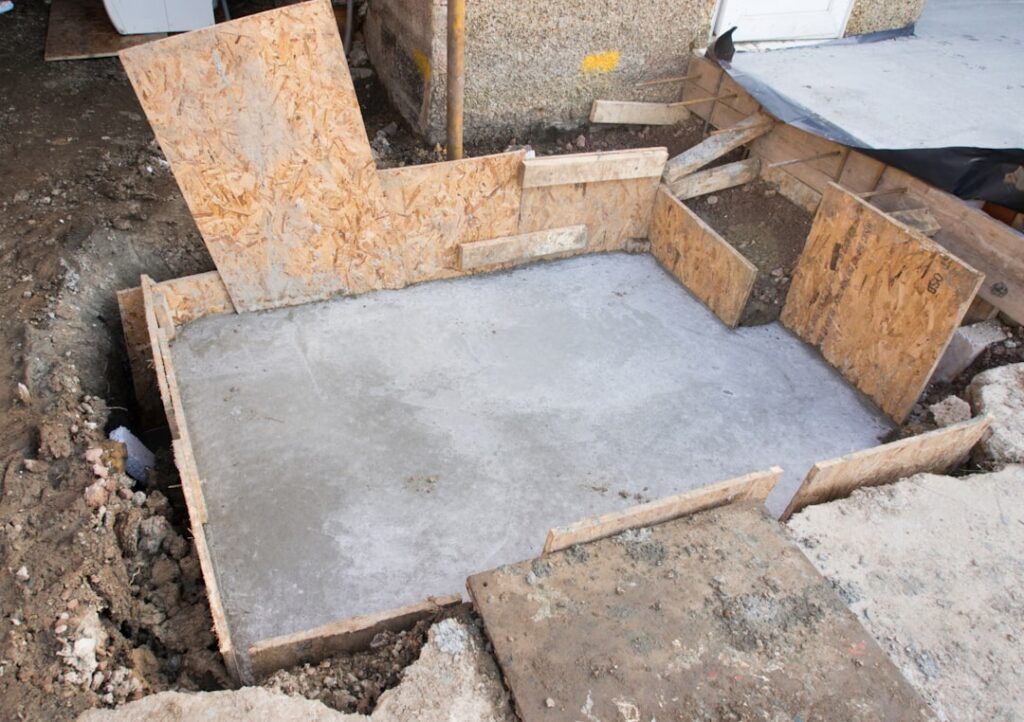
Waterproofing is not a finish applied at the end of a remodel. It is the process of identifying how moisture reaches the basement, correcting the cause and choosing assemblies that can remain durable below grade.
Start here
If the basement is actively wet, smells musty or has visible mold, pause the finishing plan. The US Environmental Protection Agency’s central guidance is straightforward: moisture control is the key to mold control, and the underlying water problem must be corrected.
Identify the moisture pattern
- After heavy rain: inspect grading, gutters, downspouts, cracks and below-grade drainage.
- At the wall-floor joint: groundwater pressure or perimeter drainage may need investigation.
- On cold walls, pipes or ducts: condensation and indoor humidity may be contributing.
- Around one fixture or pipe: rule out plumbing leaks before considering a foundation solution.
- Following a flood or sewage event: treat the situation as water-damage remediation, not ordinary decorating.
Work from outside to inside
Exterior water management
Keep roof and surface water away from the foundation. Correct overflowing gutters, short downspouts, settled paving and soil that slopes toward the house. These measures may not solve every basement leak, but they should be assessed before relying on interior coatings.
Foundation and drainage repairs
Crack repair, exterior membranes, footing drains, interior perimeter drainage and sump systems solve different problems. A proposal should explain the suspected water route, what the system will do and how it will be maintained.
Humidity and condensation
Monitor temperature and relative humidity instead of judging by feel alone. Vent bathrooms and dryers outdoors, address cold surfaces and size dehumidification for the actual space and moisture load.
Do not conceal an unresolved problem
- Do not install absorbent finishes against persistently damp masonry.
- Do not paint or caulk over active mold without cleaning it and correcting the moisture source.
- Do not assume a dry week proves the basement remains dry through seasonal weather.
- Do not block access to drainage systems, cleanouts, valves or the sump pump.
When to obtain specialist help
Seek qualified assessment when water entry is repeated, cracking appears structural, contamination is suspected, the source is unclear or planned wall and floor assemblies depend on the basement remaining reliably dry. Ask for the diagnosis separately from the proposed product so you can compare solutions.
Questions for a waterproofing proposal
- What evidence identifies the water source?
- Does the proposal manage surface water, groundwater, condensation or a combination?
- Where will collected water discharge?
- What maintenance and backup power are required?
- Which finishes can be safely installed afterward?
- What does the warranty cover—and exclude?
Continue your project
Once the basement is dry, use the remodel planning guide to organize the work, review permit and code questions, and compare the likely scope with the 2026 cost guide.
Sources and further reading
- EPA: A Brief Guide to Mold, Moisture and Your Home
- EPA: Main ways to control moisture in your home
- EPA: Indoor environmental concerns during remodeling
This guide is general homeowner information. Floodwater, sewage, extensive mold, structural movement and electrical hazards can require appropriately qualified professionals.